
SPF26 Book Table: A Space for Encounter, Exchange and Discovery
The Book Table at Sarajevo Photography Festival 2026 once again proved to be one of the festival’s most intimate and engaging formats, creating a unique space where authors, publishers, and audiences could meet through the experience of the photobook.

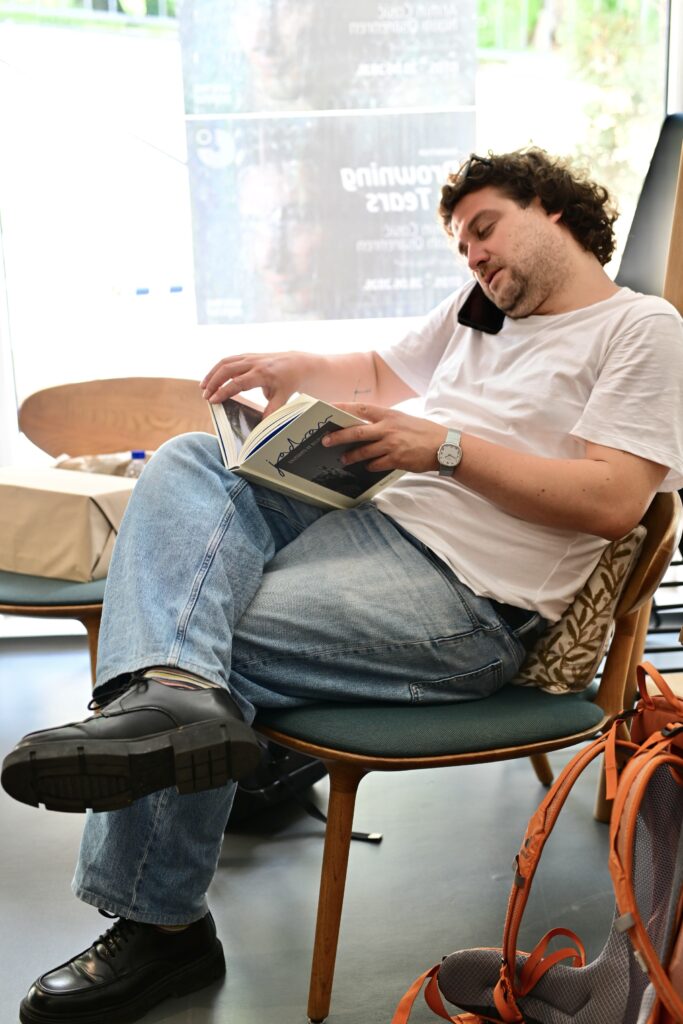
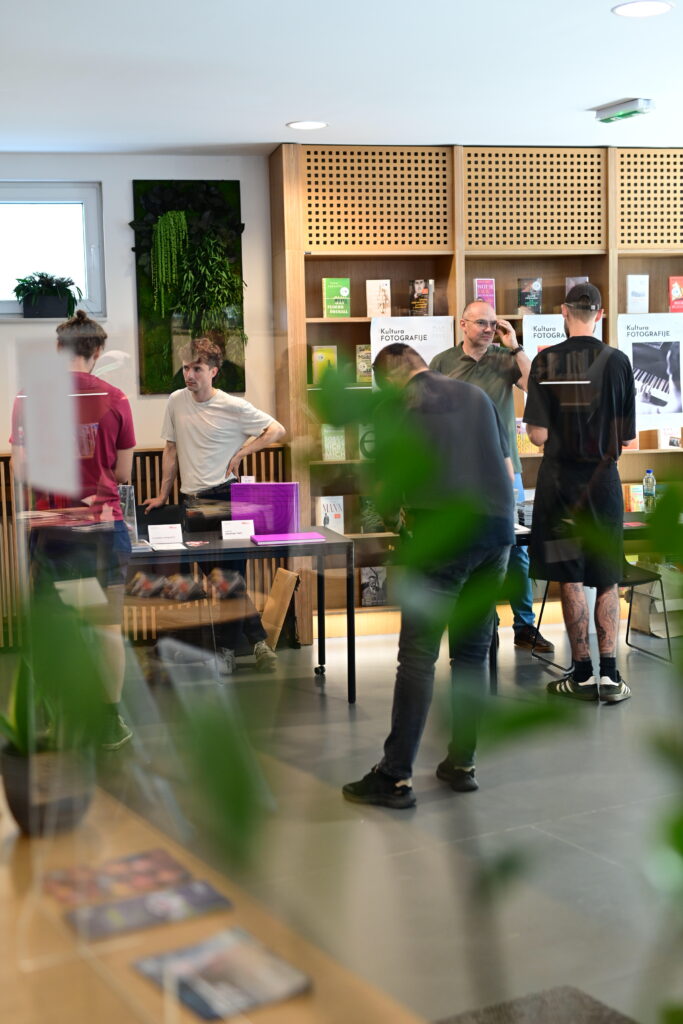
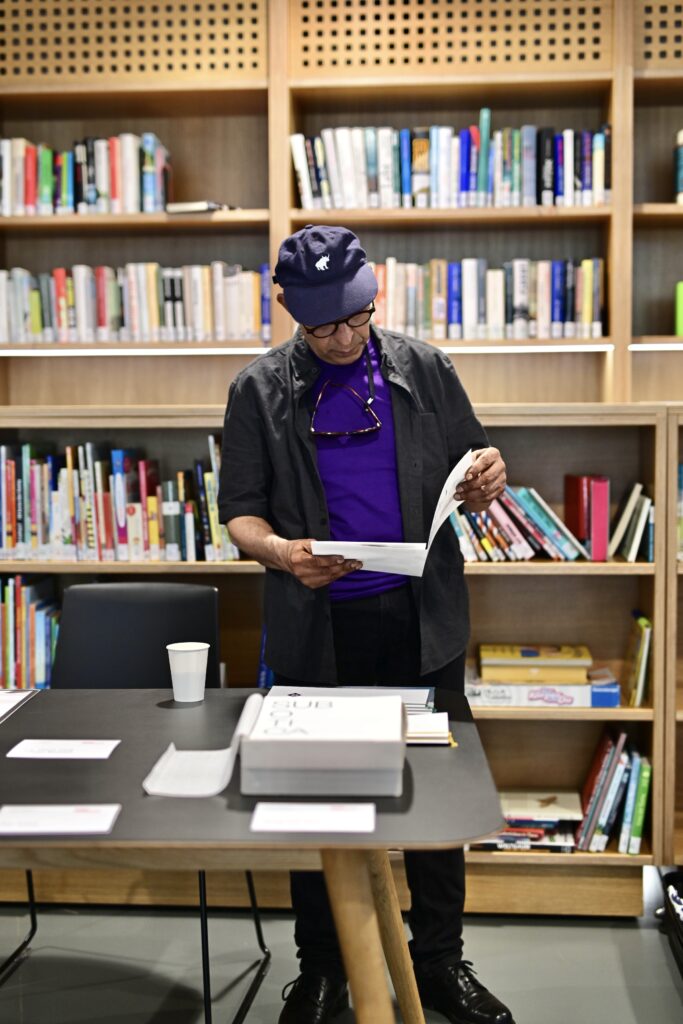
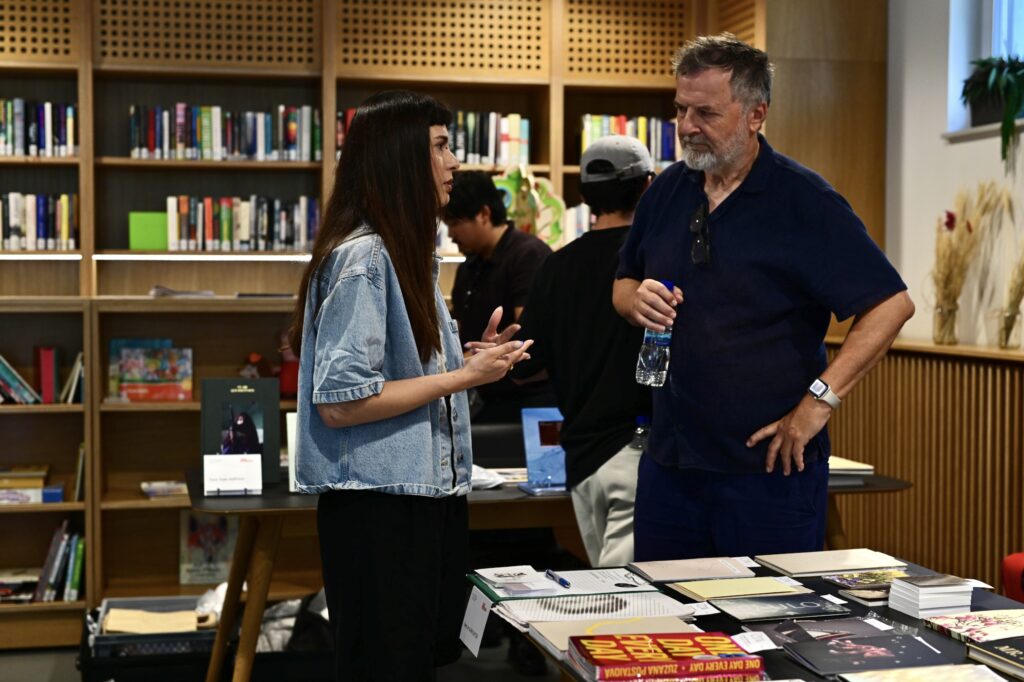
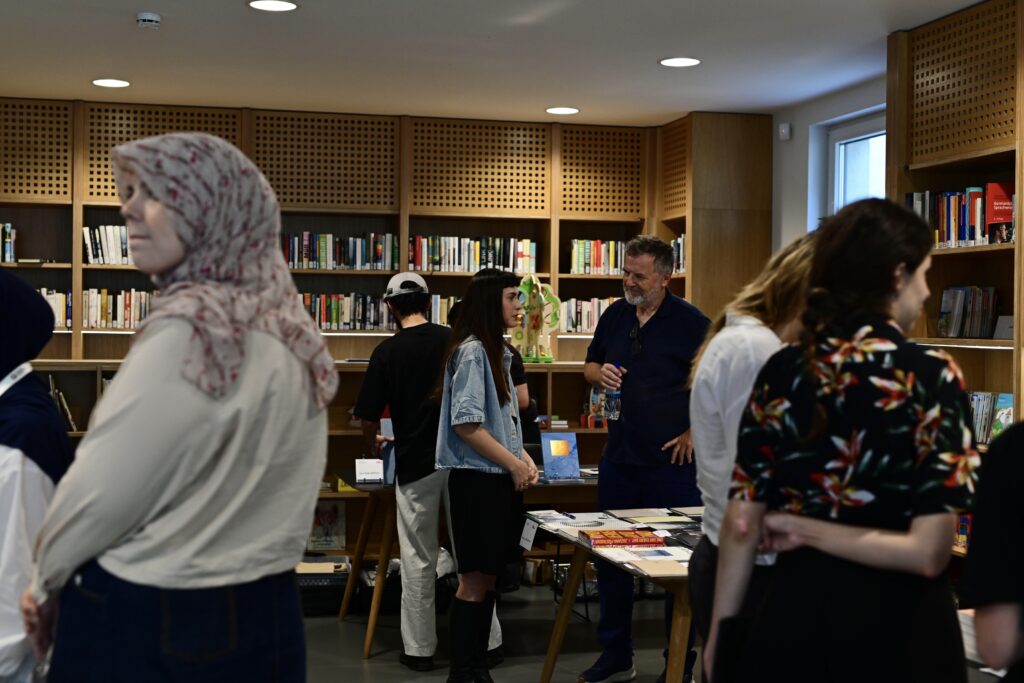
Unlike traditional exhibitions, where communication often remains one-directional, the Book Table invited visitors to browse, touch, read, and spend time with publications. This direct encounter with photobooks opened space for conversations, exchange of ideas, and a deeper understanding of contemporary photographic practices. It also fostered meaningful connections within the photographic community, making the Book Table an important site of dialogue and networking throughout the festival.
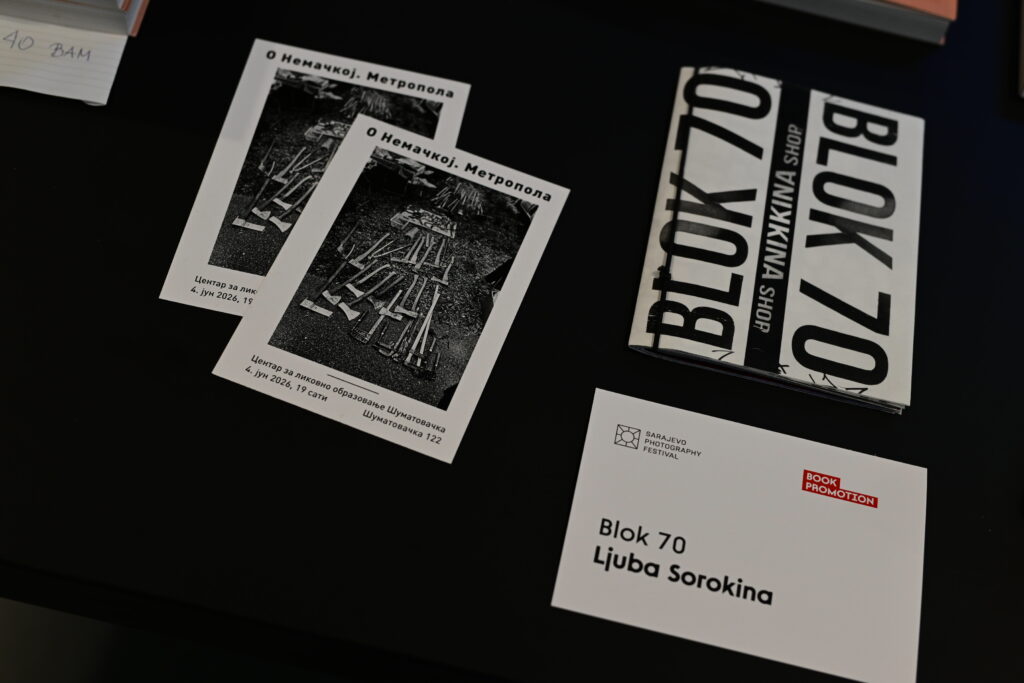
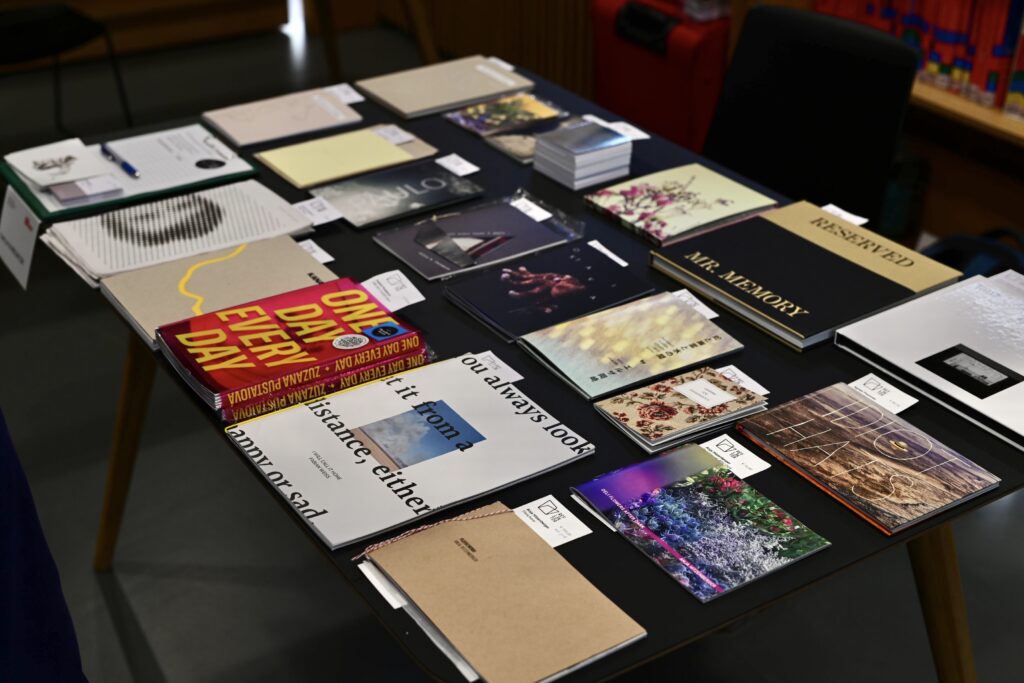
A particular focus of this year’s edition was independent publishing, which continues to be home to some of the most authentic and experimental voices in contemporary photography. At a time when large publishing systems are often shaped by market demands, independent authors, collectives, and publishers create space for freer, more courageous forms of expression. Supporting these initiatives means supporting diversity, innovation, and the long-term sustainability of photographic culture.

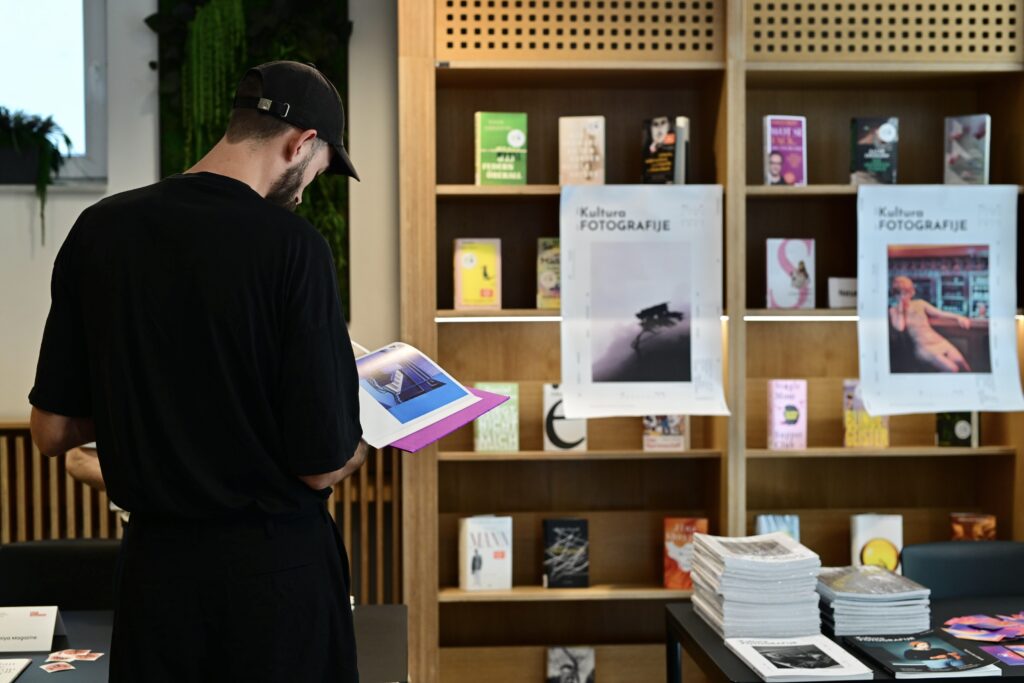
This year’s Book Table featured publications and photobooks by Four Eyes éditions, Eyes On & REFLEKTOR, Soлomiya Magazine, Kultura Fotografije, ARENA by Sebastian Wells, Jadran by Maeta Leš, Light Impressions of Algeria by Milena Antić, The Fumes of Mars by Katerina Angelopoulou, Belgrade Raw, 8th Floor by Jelena Janković, The Hard Time by Mohsen Rastani, Der Greif, Belgrade Photo Month, Henrik Journal, The Color Beneath the Gray by Katerina Kouzmitcheva, Blok 70 by Ljuba Sorokina, and In Trance We Trust by Srđan Veljović.
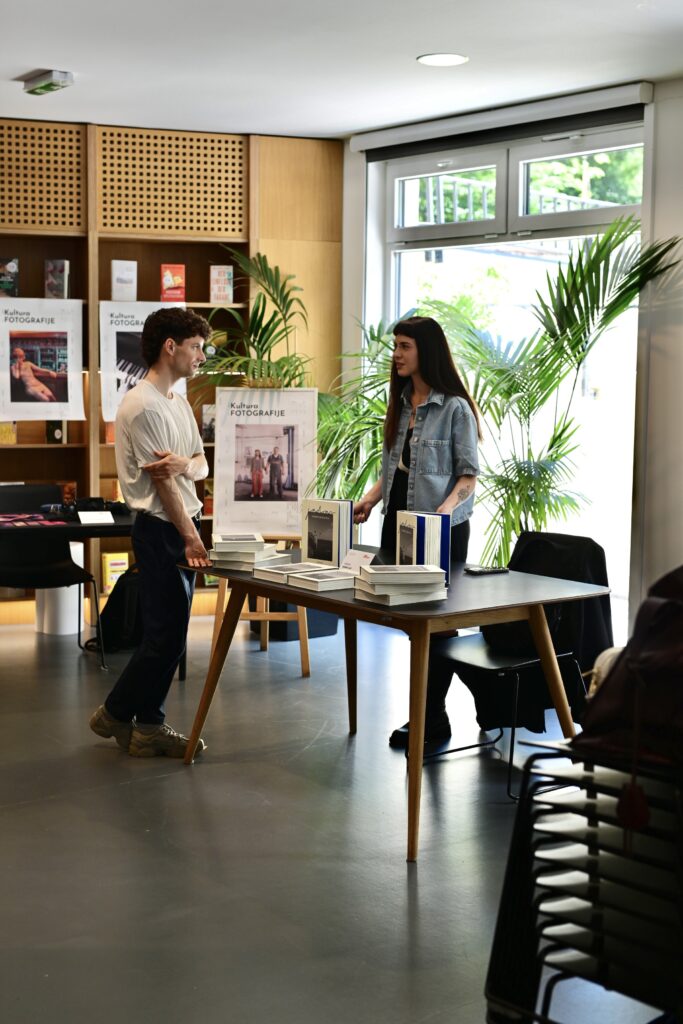
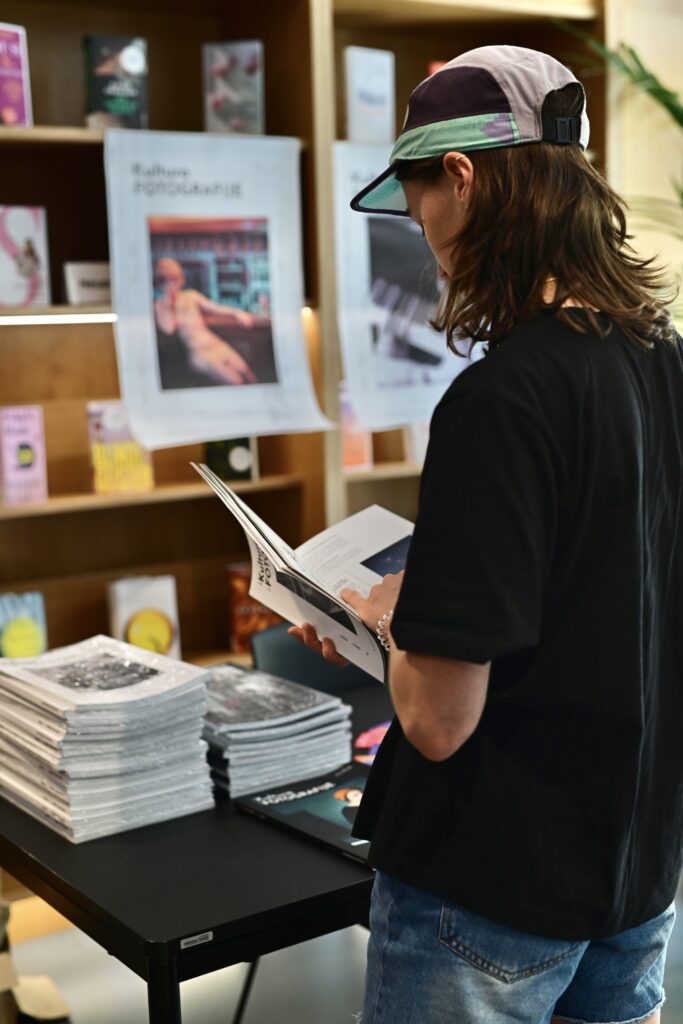


Alongside featured publications, visitors were invited to spend time with a selection of individual photobooks and magazines displayed for browsing, creating opportunities for discovery, reflection, and conversation beyond the exhibition spaces.
Photobooks play a vital role in the development of artistic practice. More than collections of images, they are carefully constructed narratives through which photographers shape the rhythm, context, and meaning of their work. As such, photobooks remain an essential part of the contemporary photographic landscape, taking forms that range from traditional publications to highly experimental approaches.